SOMA x fondazione museo emblema
Exhibition : March 12th – June 20th, 2026
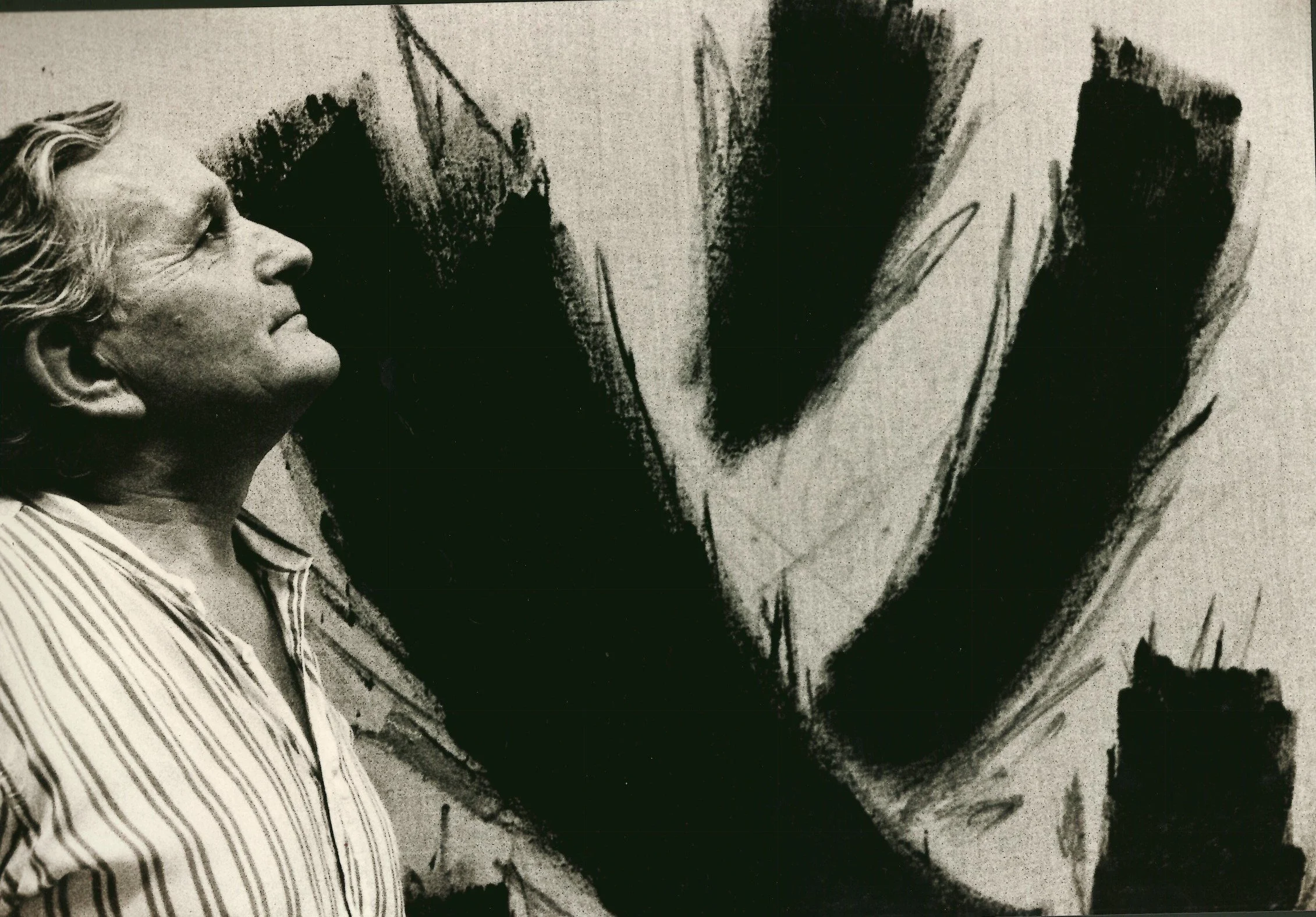
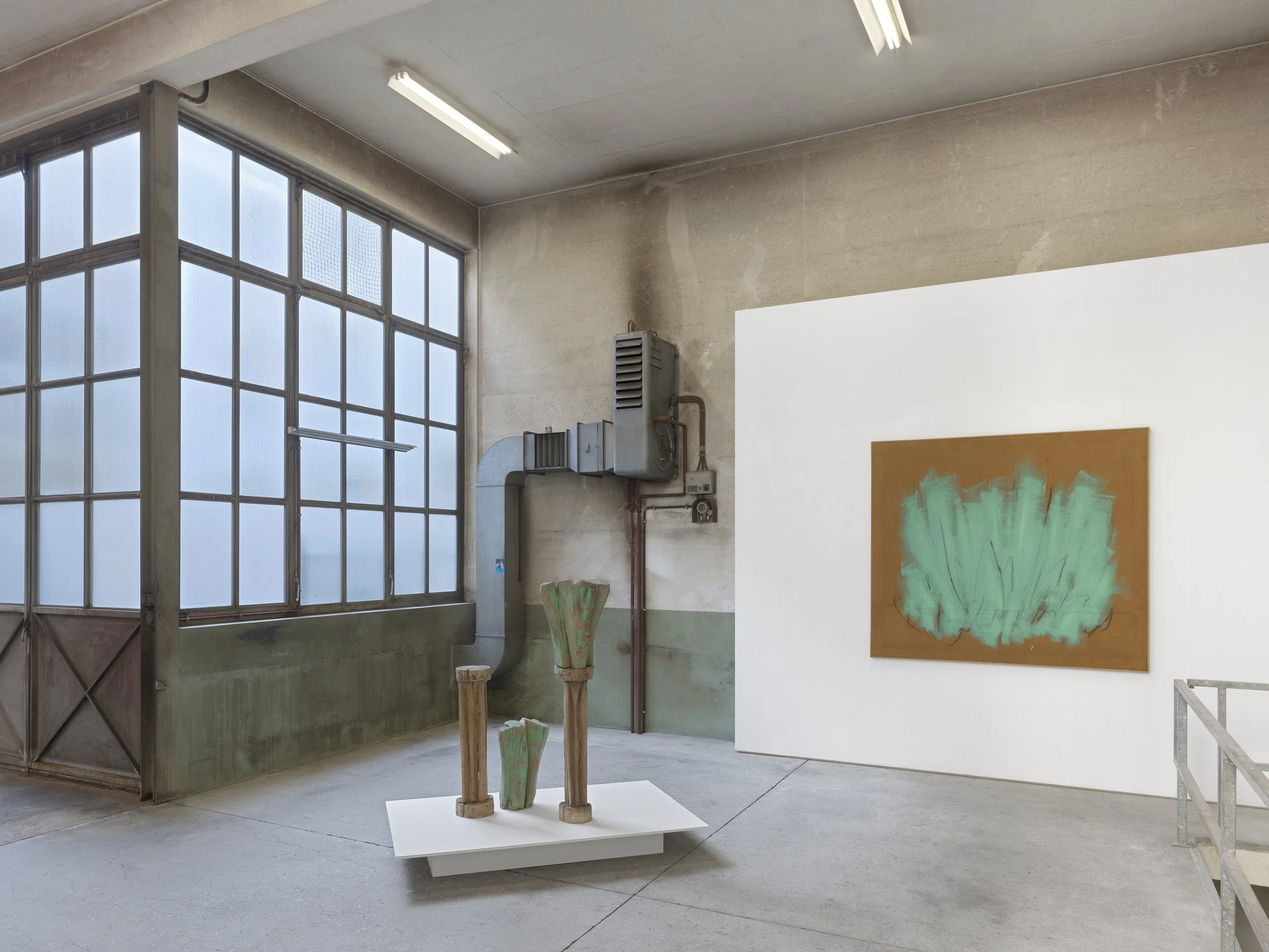
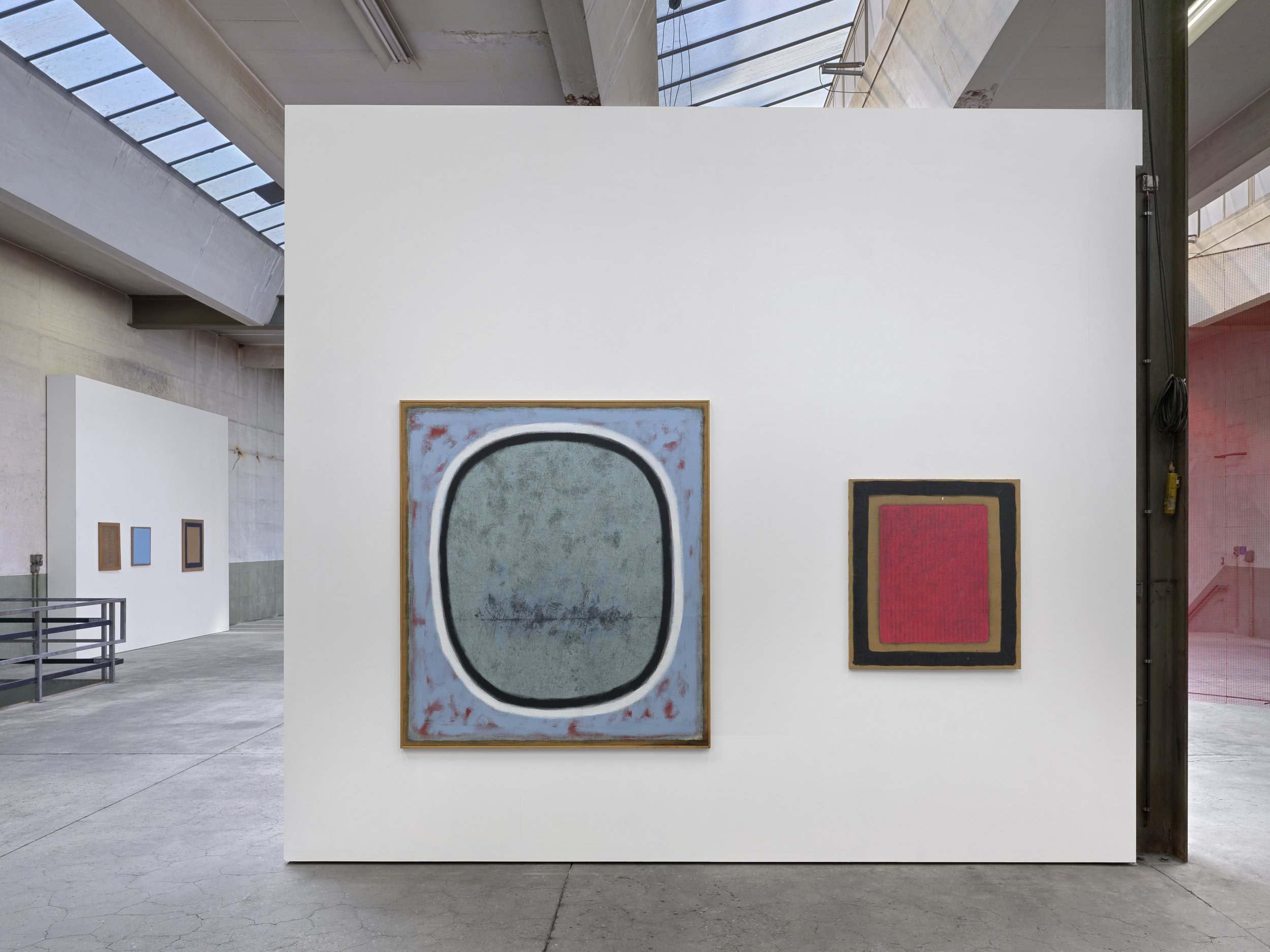
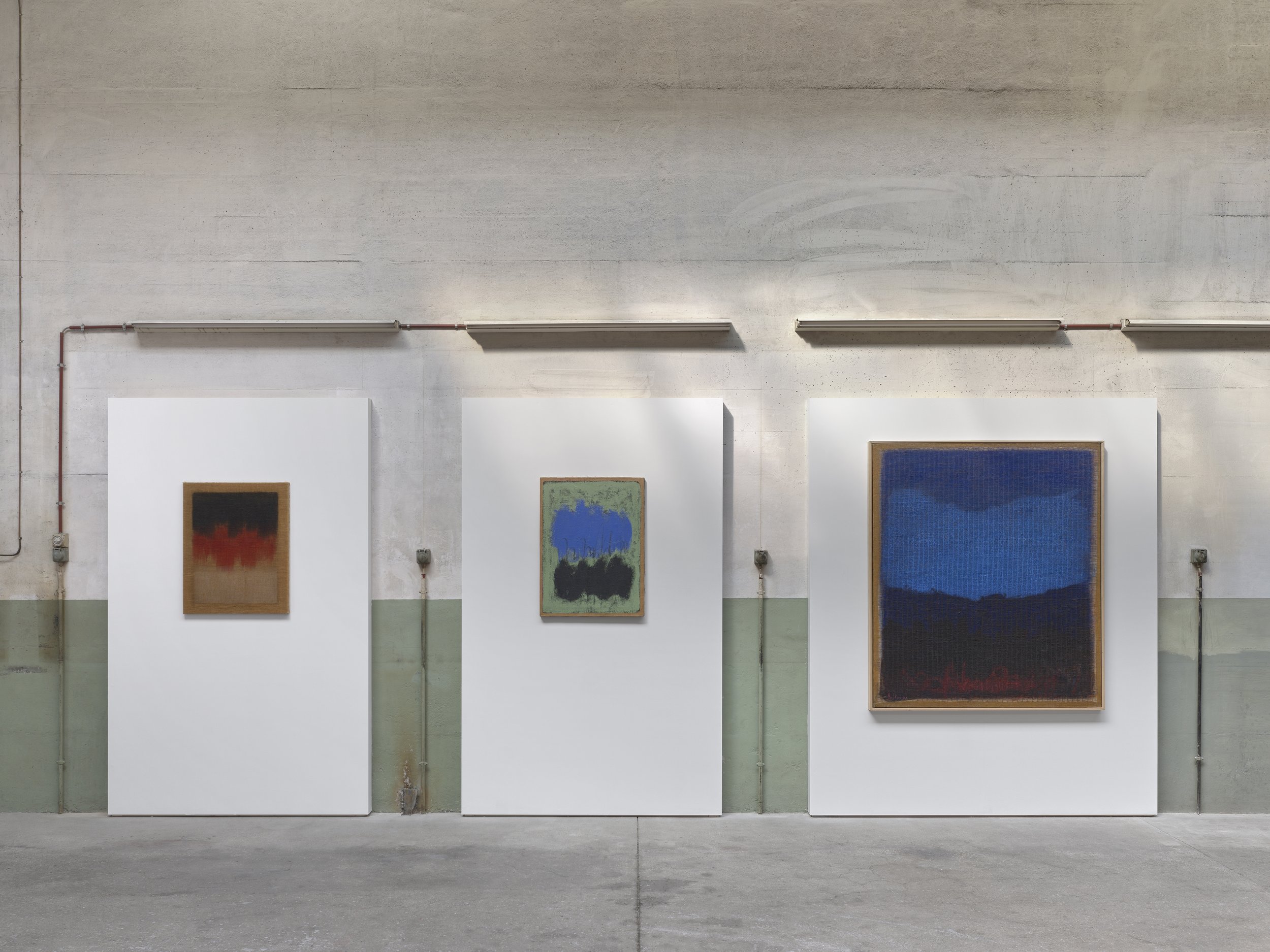
SOMA is pleased to present May 1972, an exhibition dedicated to Salvatore Emblema (Naples, 1929–2006), bringing together a selection of works produced between the late 1960s and the early 1980s. The exhibition, organized in collaboration with the Fondazione Museo Emblema in Naples under the curatorial direction of Emanuele Leone Emblema and Mighela Lorenceau, focuses on a decisive period in which Emblema defined the conceptual and material framework of his practice.
During this period, Emblema lived and worked on his estate at the foot of Mount Vesuvius, deliberately removed from the main artistic capitals. This geographic distance did not imply disengagement. On the contrary, it enabled a sustained and critical assimilation of the aesthetic shifts of postwar art, free from the pressures of stylistic alignment. Emblema stood beside the movement ofhis time, close enough to absorb their revolutions, distant enough to recompose them into a calm, coherent and deeply meditative visual system. From this position of proximity without adherence emerged a singular artistic language.
David Rockefeller, collector and philanthropist, invited Salvatore Emblema to New York in the late 1950s, the artist was leaving Europe for the first time. It was a complete paradigm shift: once in the United States, he met Mark Rothko and Barnett Newman, and moved within their circles and studios. It was also in New York, through the collections of the Metropolitan Museum of Art that he developed an interest in ancient Roman and Pompeian culture, a pivotal moment in his career when he would reconnect with his Italian heritage.
Among the works on display, Research on Landscape (1972) stands as a centerpiece, marking his first sculptural proposition and a decisive turning point, and is presented here for the first time outside Italy. The 14-meter-wide red metal grid, more than a structure, is a meditative instrument, a framework through which he observed and contemplated the landscape over several years. The sculpture invites the viewer into the same contemplative space that the artist inhabited: a horizon not as a distant line, but as a field of perception, a space to dwell, measure, and reflect upon. As Emblema put it: “Painting might smooths your eyes, but sharpens the horizon.”
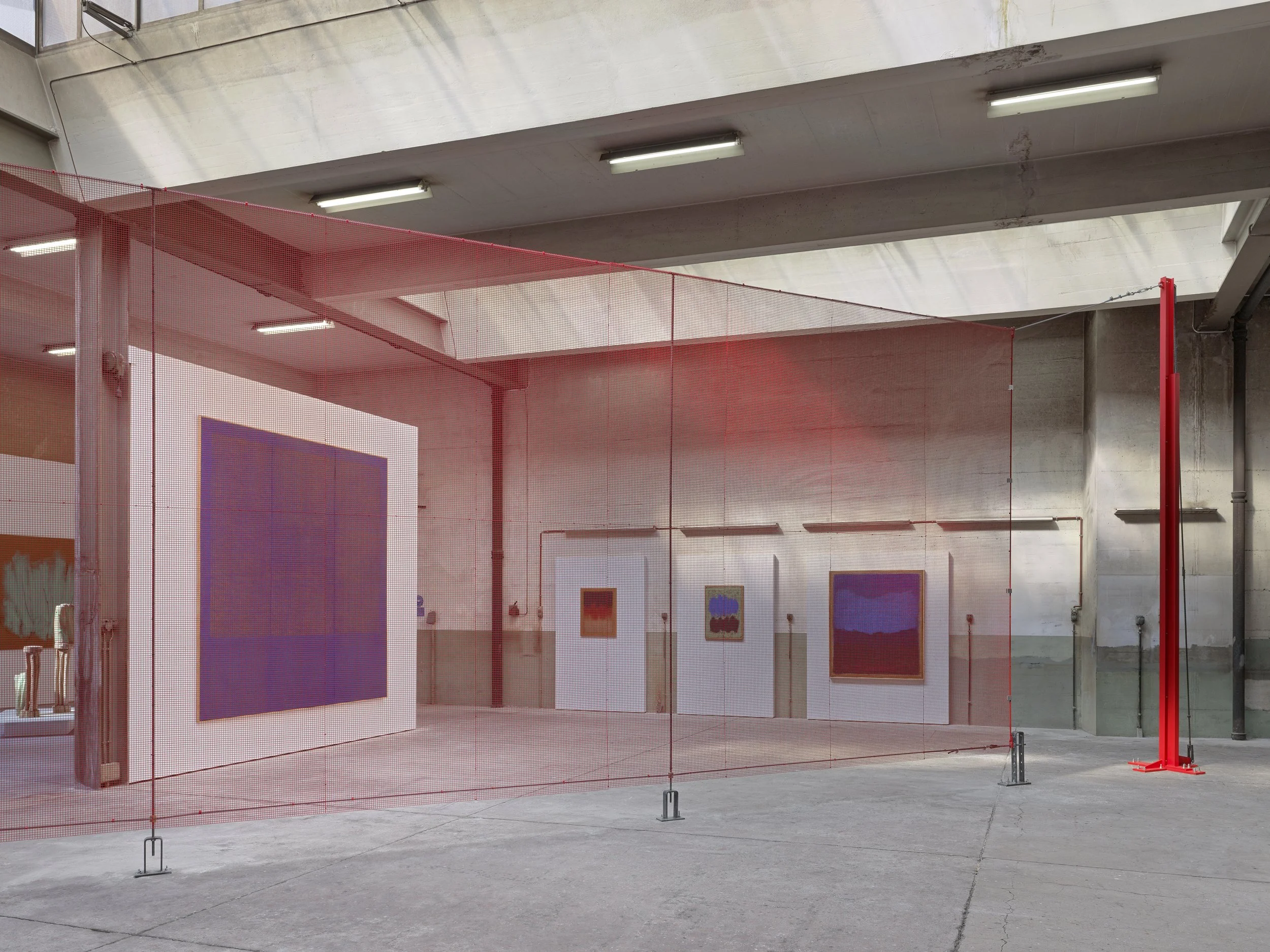
The title of the exhibition May 1972 refers to the precise moment when the artist discovered Henry Moore’s exhibition at Forte di Belvedere in Florence. This encounter with the British sculptor’s work functioned as both a perceptual and an intellectual shock. Deeply moved by the experience, Emblema found in it the decisive impulse that would lead to the birth of Research on Landscape.
« The sensation I had was that of being inside Leonardo’s Virgin of the Rocks. Except the Virgin wasn’t there. There was only that sense of depth. This horizon line, more suggested than drawn, wedged between bodies and volumes of matter that seemed truly alive. It was overwhelming. Moore, in that exhibition, had practically gotten everything right. Look, I still get emotional thinking about it. At a certain point I noticed something very banal. Yet it struck me as important. Everyone at that exhibition, even Henry Moore himself, stopped to look at the landscape. Florence on one side, the hills surrounding Florence on the other. It seemed to me that even all the sculptures were there solely to look at that landscape. That was when the grids were born. Essentially, I asked myself: can this inexplicable thing, this law of attraction that governs you when you let your gaze drift toward the horizon, into the skin of the sky, above the landscape—can it be used in some way? Can I steal this immense power of a vision that appears motionless yet changes moment by moment? Yes, it certainly could be done—I’m not inventing it myself. But first of all, the color had to be resolved. It had to be a color that reacted to light in exactly the right way. A color that paints without altering. That almost vibrates at the same frequency as light. Almost the same, yet on a different, alternative scale. Because I have to trap the light without altering its course in any way. I understood that I had to work on the density of the image, not on its trajectory. I told you: I remember it perfectly—the exact moment. The how, the where, and the when.” *
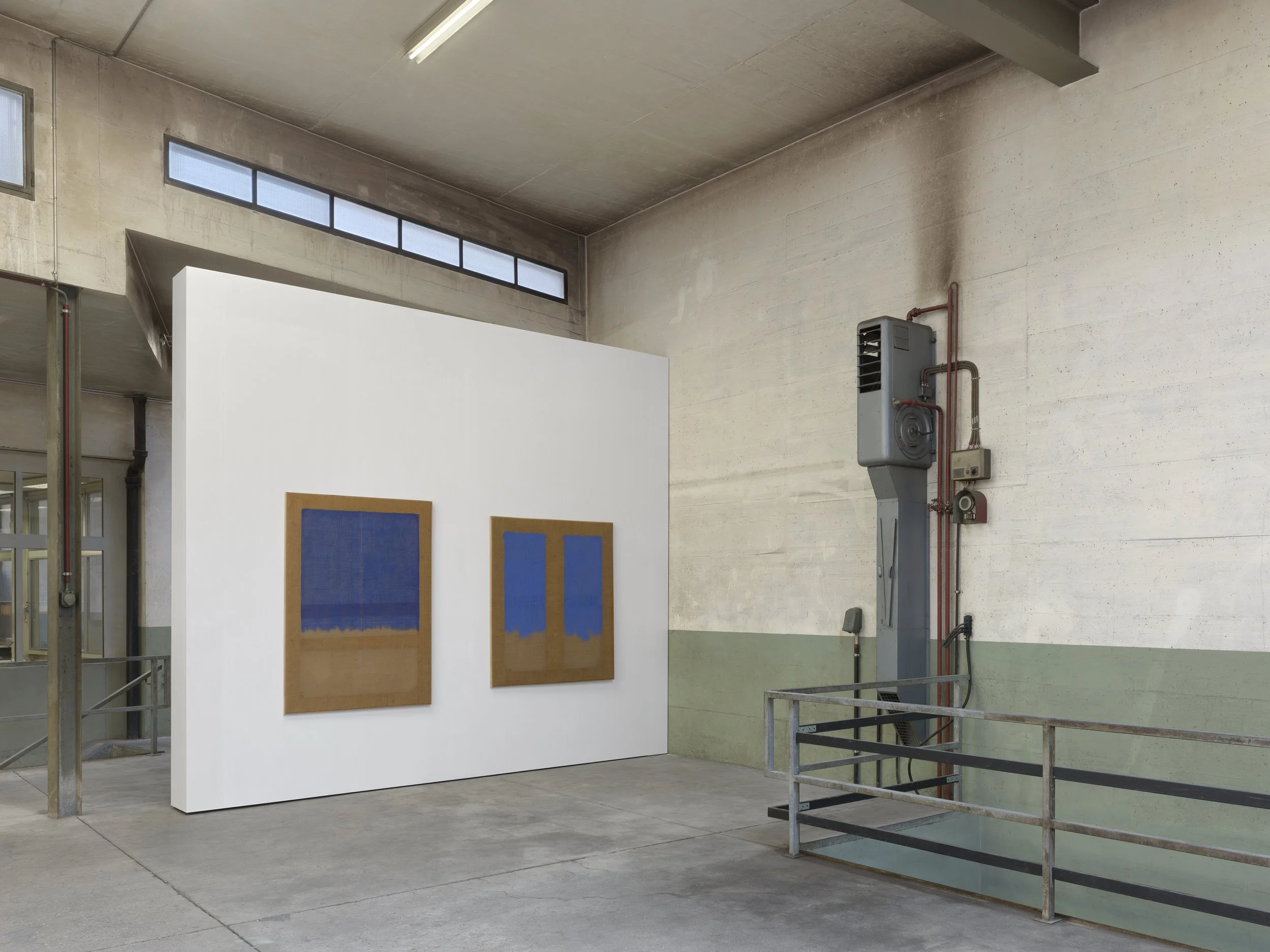
Thus, the material and optical research lies at the heart of the artist’s practice. From the late 1950s onward, Emblema developed a distinct chromatic vocabulary by mixing pure pigments with volcanic ash, pozzolana, and minerals drawn from his surroundings. These materials were chosen for their capacity to interact with light, not for expressive excess. By carefully calibrating drying times and surface density, he shaped pictorial space through perception rather than representation.
Around 1968–69, this research led to a radical shift. Color migrated to the margins of the canvas, while raw jute, long treated as support, became an active autonomous compositional element. The politically and socially charged climate of the 1970s gave rise to detessitura, a process of selective unweaving that produced zones of transparency. Light, wall, and surrounding space thus entered the work as constitutive elements, activated through the viewer’s movement and presence. The artist’s paintings resist spectacle and immediacy, proposing instead an experience of time, perception and sustain attention.
Special thanks to Mathieu Paris (White Cube) and Jean-Olivier Depres, who made this exhibition possible.